Ph.D. Biomedical Engineer • AI • Wearables

Solomon
Teye-Lartey

Building wearable physiological sensors, the machine learning that interprets them, and the courses that teach students to do the same. Part of a Department of Defense funded research program.

Solomon Teye-Lartey smiling with arms wide open
Scroll
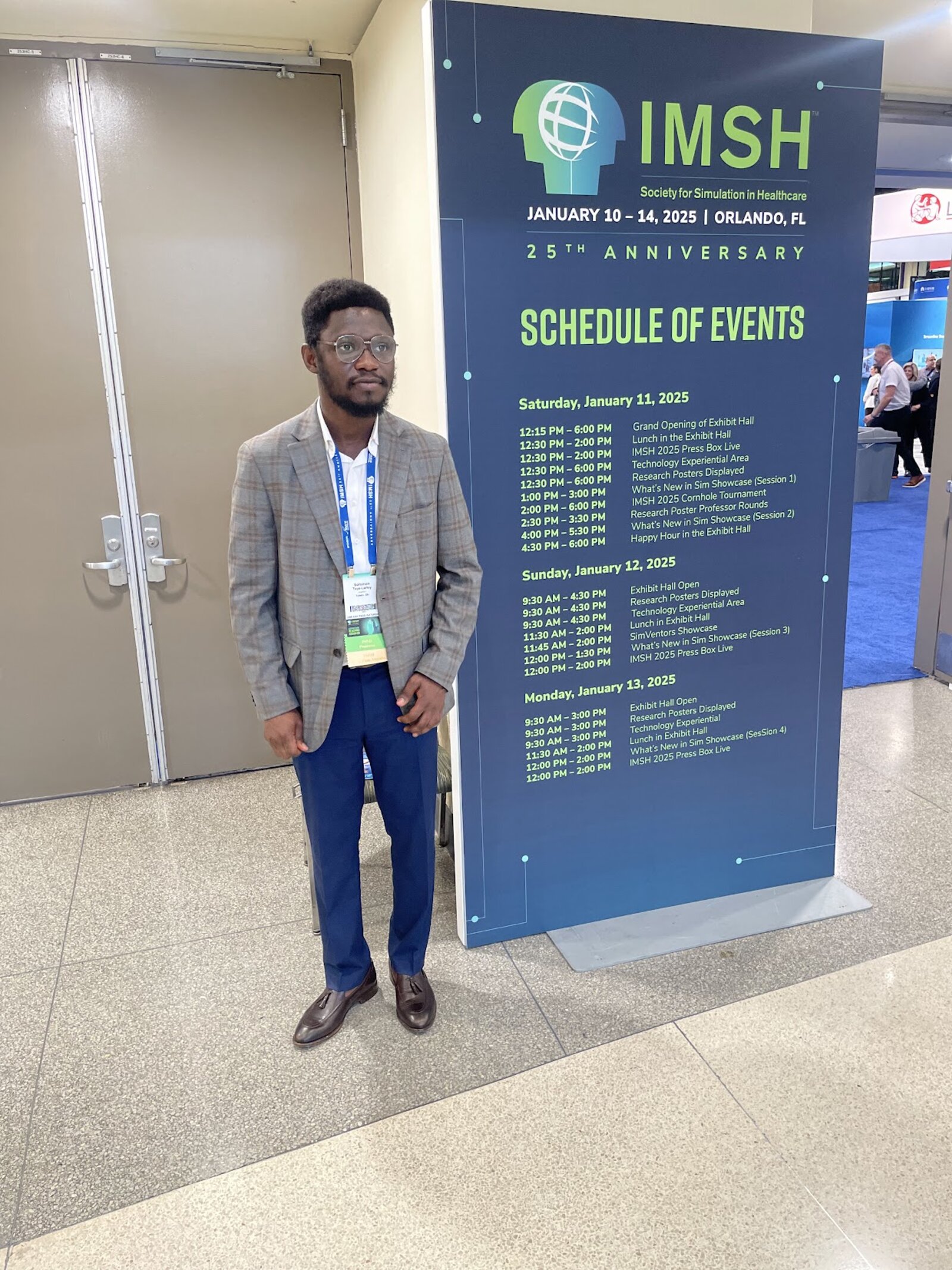
Solomon Teye-Lartey at the IMSH 2025 Society for Simulation in Healthcare conference, Orlando
84.5%
Balanced Accuracy
$1.1M
DoD Funded Program
152
Learners Studied
5
Courses Taught at Toledo

Engineer, Researcher,
Educator

I'm a Ph.D. biomedical engineer who builds wearable sensors, the software that reads them, and the courses that teach students to do the same. My research is based at the University of Toledo College of Medicine and Life Sciences.

My work covers machine learning for physiological signals, wearable device engineering and mobile health, including the BioPOD wearable and the PreLapse app for opioid use disorder research.

My early findings helped win a $1.1 million Department of Defense award for the PREPARE Operational Readiness Assessment program, led by Dr. Scott Pappada, with partners that include Brooke Army Medical Center and the U.S. Air Force 59th Medical Wing.

Machine Learning Wearable Devices Signal Processing Medical IoT Mobile Health Educator

Areas of Expertise

Combining engineering, AI, and education to advance healthcare technology and train the next generation of biomedical engineers.

Machine Learning

Feedforward neural networks that classify faculty assigned performance ratings at 84.5% balanced accuracy (MCC 0.69 to 0.71, PR-AUC 0.97) across 1,854 labeled events from 152 learners in 470 high fidelity simulation sessions, with subject-level validation.

Wearable Health Devices

Built the BioPOD research wearable end to end: optical pulse (MAX86141), motion (LSM6DSO32X), skin response (MAX30009) and infrared temperature (MLX90632) sensors, with real time firmware on a Nordic nRF under Zephyr RTOS.

Biomedical Signal Processing

Python and MATLAB pipelines for per band filtering, individual baselines and event windowed features from Empatica E4 wristbands. Heart rate benchmarked against an FDA-cleared Empatica Embrace worn at the same time.

Mobile Health Applications

Built PreLapse, a cross platform Flutter app that collects, displays and exports sensor data from the BioPOD wearable. Clinical validation is the next step.

Medical IoT & Embedded Systems

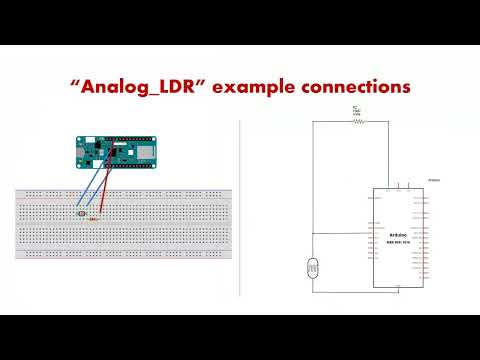
Arduino (MKR WiFi 1010), Nordic nRF, Zephyr RTOS, C firmware, I2C and SPI, Bluetooth Low Energy, WiFi and MQTT. Students in my Medical Internet of Things course built blood pressure monitors with live data transmission.

Teaching & Curriculum Design

Taught at the University of Toledo as a teaching assistant for four courses and as instructor of record for Medical Internet of Things, and earlier as a teaching assistant at KNUST in Ghana, with a focus on projects that end in a working device.

Experience

Research, teaching, and leadership across institutions and continents.

Graduate Research Assistant

University of Toledo, Technology Development Laboratory

Aug 2022 to May 2026
  • Developed the signal processing and classification pipeline behind my first author manuscript: 84.5% balanced accuracy (MCC 0.69 to 0.71, PR-AUC 0.97) classifying faculty assigned performance ratings across 1,854 labeled events from 152 learners in 470 high fidelity simulation sessions. Accepted at Advances in Health Sciences Education, 2026
  • Wrote Python and MATLAB pipelines for per band filtering, individual baselines from rest periods and a sweep of 1,296 event window settings, with a genetic algorithm that cut 73 features to 65
  • Built the device side of the BioPOD wearable: C firmware on a Nordic nRF with Zephyr RTOS, a four sensor front end, a Bluetooth Low Energy packing scheme, and the PreLapse Flutter app
  • Benchmarked heart rate against an FDA-cleared Empatica Embrace worn at the same time, and reported that a deep time series model did not beat the feature pipeline
  • Part of the Department of Defense funded PREPARE program (CDMRP, $1.1 million), led by Scott M. Pappada, Ph.D.
  • First doctoral student in the lab; onboarded every new undergraduate and master's student

Instructor of Record, Medical Internet of Things (BIOE 4980/5980)

University of Toledo

Spring 2022 (Jan to Jul)
  • Taught the course as sole instructor to 16 graduate and senior undergraduate students, after supporting its first offering as teaching assistant. Assigned by the department chair
  • Built the course into its full form: syllabus with ABET aligned outcomes, revised lecture decks, capstone modules, instructor guides, example code, four assignments, seven in class exercises and a practical final
  • Students built an internet connected blood pressure monitor on the Arduino MKR WiFi 1010, with MATLAB signal processing, WiFi and MQTT, and Alexa voice control
  • Supervised one graduate teaching assistant, ran the course on Blackboard, and recorded sessions for students absent because of COVID-19

Graduate Teaching Assistant

University of Toledo

Aug 2019 to Dec 2021
  • Teaching assistant for Biomedical Signal Processing, Biomedical Electronics, Physiology for Bioengineers and Biomedical Instrumentation
  • Delivered lectures and recitations independently when the instructor was unavailable
  • Led two years of instrumentation labs where students built ECG monitors on breadboards
  • Wrote study guides and practice problems, and gave MATLAB and Python demonstrations on real clinical data

Teaching Assistant

Kwame Nkrumah University of Science and Technology (KNUST), Ghana

Aug 2017 to Jul 2018
  • Teaching assistant for Cell Biology, Medical Imaging, Biomedical Optics, and Biomedical Electronics and Instrumentation
  • Walked students through building a circuit by hand before introducing the mathematics
  • Ran review sessions as a second, lower pressure pass at difficult material

Ph.D., Biomedical Engineering

University of Toledo, Ohio. GPA 3.63 of 4.0

Aug 2019 to May 2026
  • Dissertation: Multimodal Physiological Assessment for Clinical Competency Classification: A Machine Learning Approach with Implications for Personalized Healthcare Training
  • Advisor: Scott M. Pappada, Ph.D. Part of the Department of Defense funded PREPARE program

B.Sc., Biomedical Engineering

KNUST, Ghana. First Class Honours, CWA 76

Aug 2013 to May 2017
  • Focus: Biomedical Electronics, Bioinstrumentation, Bio-signal Processing
  • President, Biomedical Engineering Students' Society, 2016 to 2017
  • KNUST Excellent Student Award, 2015

Featured Projects

Key research and engineering projects spanning wearable health technology, AI for healthcare, Medical IoT, and mobile health applications.

PreLapse App

Mobile Health • Flutter

PreLapse App: Collecting and Displaying Wearable Data

PREPARE

Machine Learning • DoD Funded

PREPARE: Wearable Based Performance Classification

BioPOD

Wearable Device • Embedded Systems

BioPOD: A Wearable for Opioid Use Disorder Research

MIoT BP Monitor

Medical IoT • Arduino

IoT Blood Pressure Monitor on the Arduino MKR WiFi 1010

Skills & Tools

The tools, methods and teaching practices I use, listed plainly.

Engineering and Computing

Python NumPy, SciPy, pandas scikit-learn TensorFlow PyTorch MATLAB C SQL Dart and Flutter Git Linux Nordic nRF Zephyr RTOS Arduino I2C, SPI, UART Bluetooth Low Energy WiFi and MQTT EAGLE SolidWorks 3D printing Oscilloscope and bench debugging

Research Methods and Teaching

Physiological signal processing FIR, IIR and wavelet filters Time frequency analysis Feature engineering Genetic algorithm feature selection Machine and deep learning for time series Subject level cross validation Leakage testing Metrics for imbalanced data Reference device benchmarking Design of experiments IRB protocols (CITI certified) Course design from syllabus to capstone Project based and flipped teaching Laboratory instruction Scaffolded assessment Supervising teaching assistants Blackboard and Canvas Recorded and hybrid delivery One to one mentoring

Teaching Videos

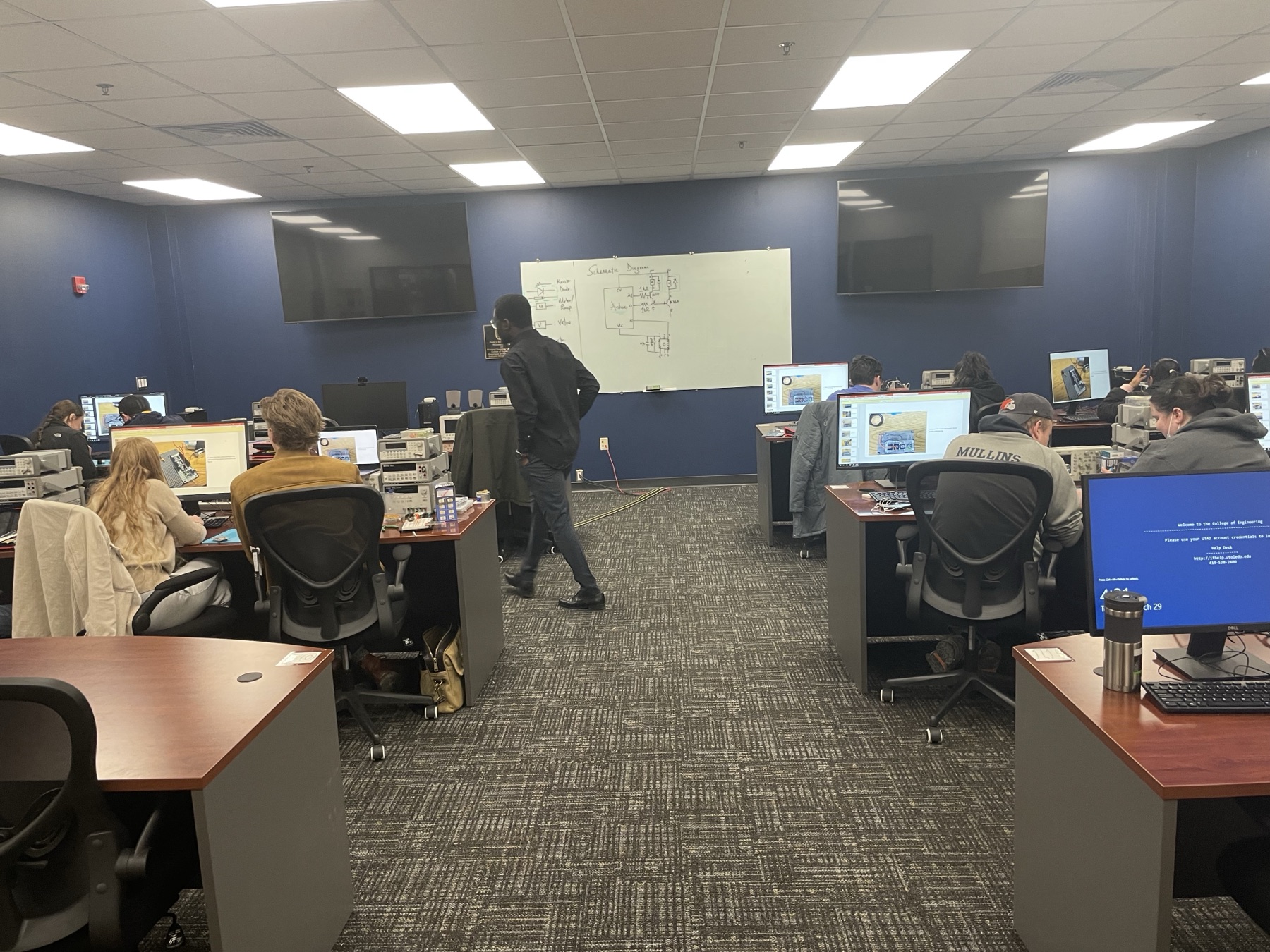
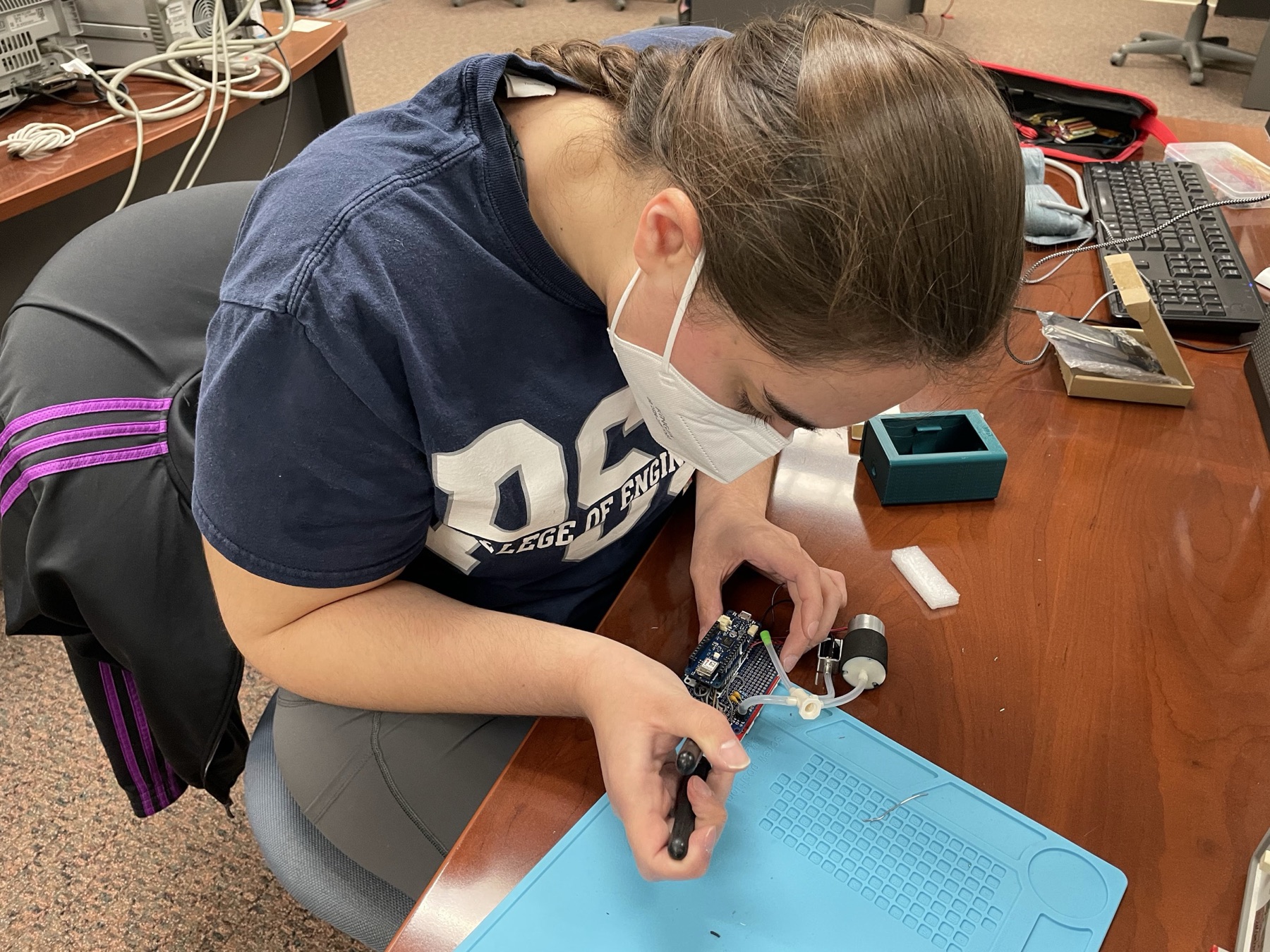
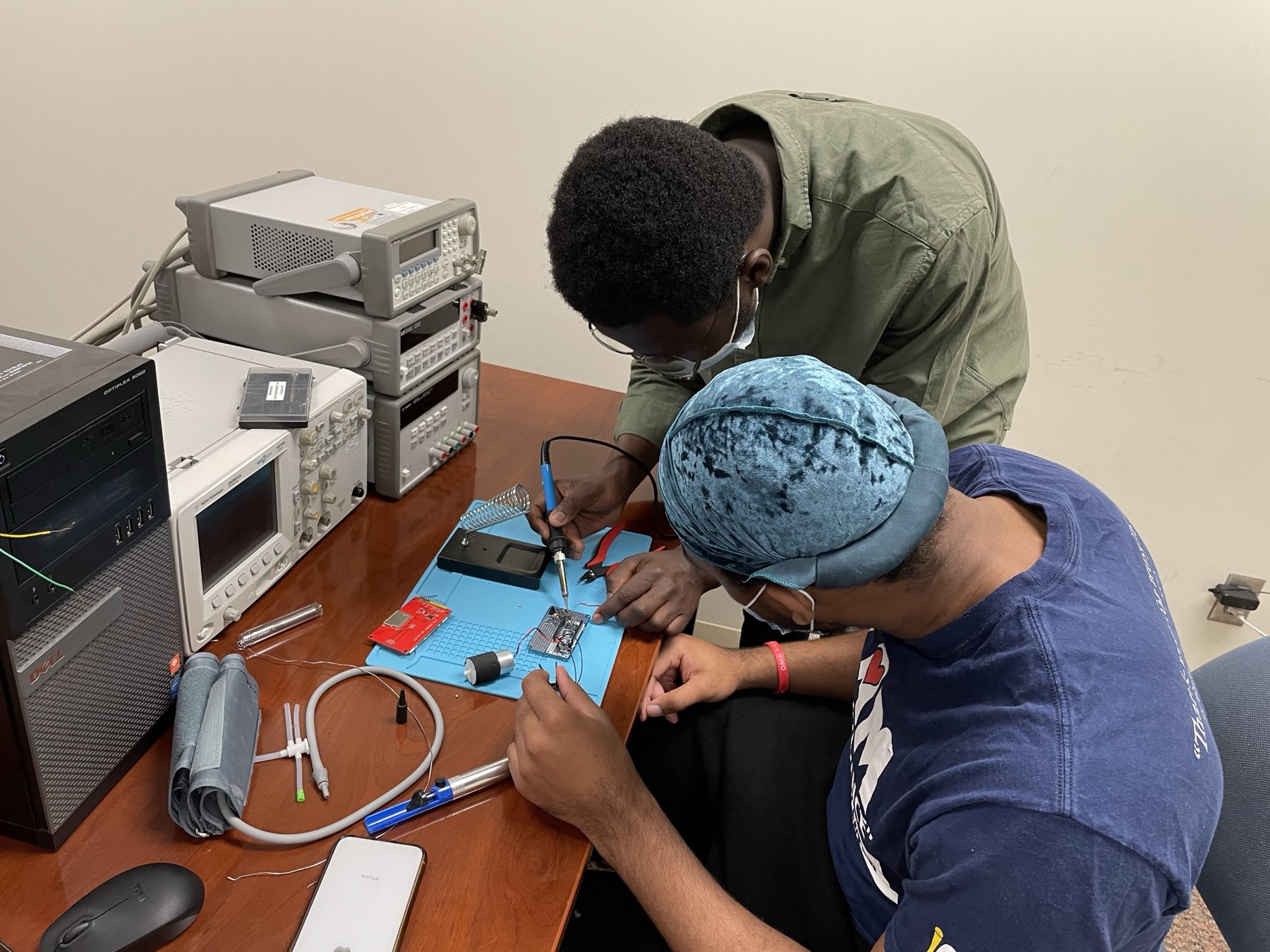
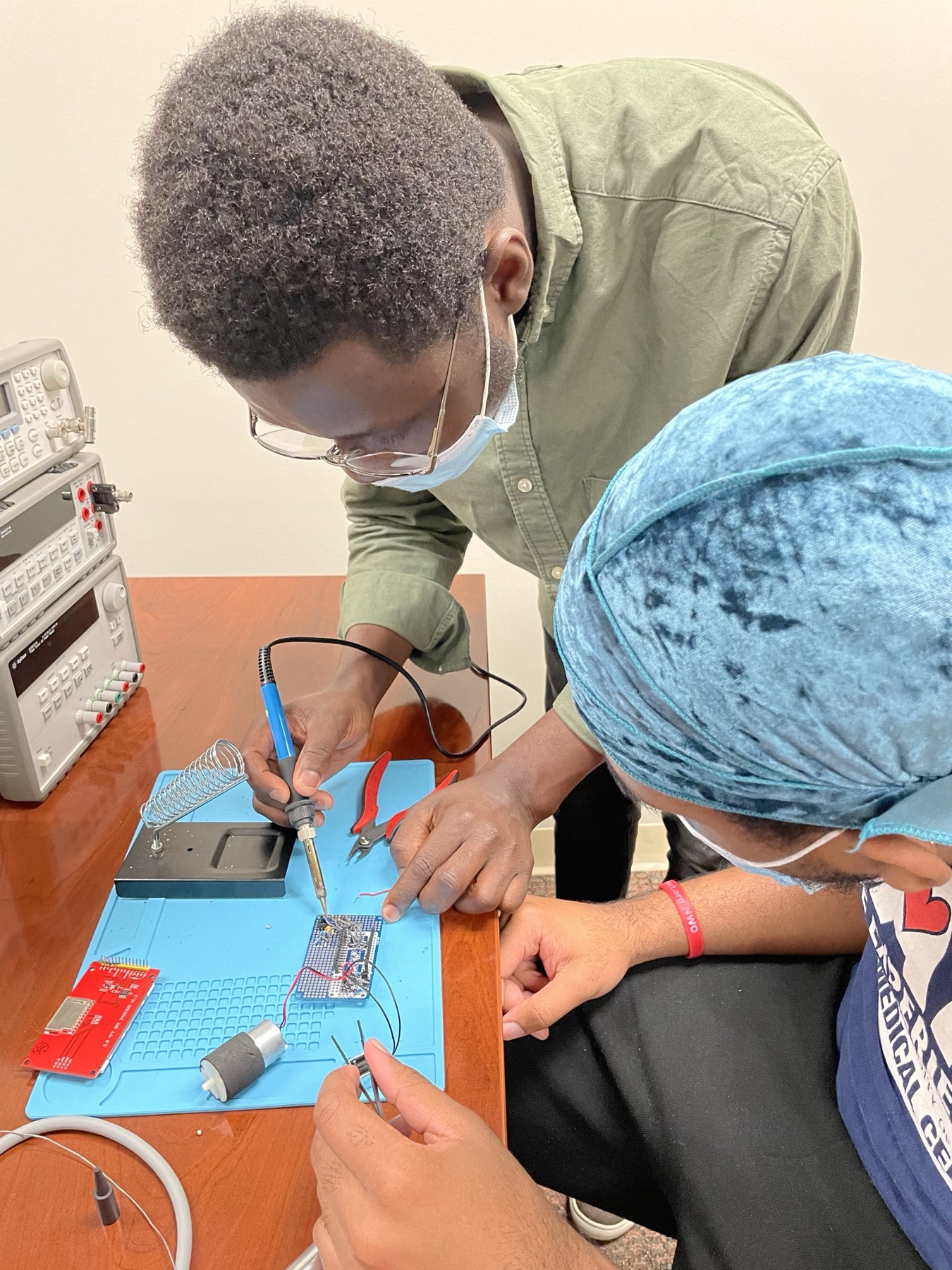
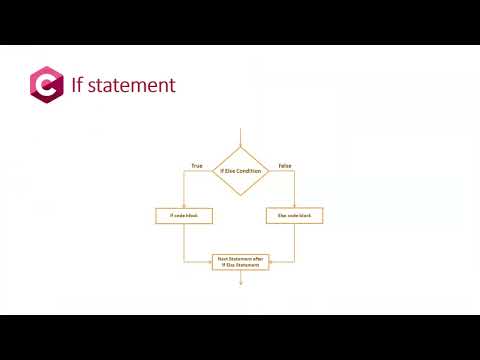
In the lab and in the recordings: hands-on sessions from my Medical Internet of Things course at the University of Toledo.

Publications & Presentations

Accepted

“Toward Multimodal Physiological Assessment of Clinical Performance in Simulation-Based Medical Education: A Machine Learning Approach”

Teye-Lartey, S.P., Schmieder, J., Yadav, U., Aouthmany, S., Alvarado, C., Jenkins, K., Papadimos, T.J., Toy, S., Brickman, K., Braida, A.L., Altenhof, B., & Pappada, S.M. Advances in Health Sciences Education, accepted, 2026 (in press)

Journal

“The Impact of Stress and Distraction on Bag Valve Mask Ventilation Performance”

McDaniel, G.H., Pappada, S., Alyosif, Z., Teye-Lartey, S., & Moussa, M. Cureus, 17(5): e84542, 2025

Abstract

“PreLapse Prototype Software Development for Opioid Use Disorder Patients”

Schmieder, J., Pappada, S., Teye-Lartey, S., Basaula, S., Amedzekor, H., & Al Mamun, E. Translation: The University of Toledo Journal of Medical Sciences, 13(S1): e1 to e2, November 2024

Poster

“Establishing a Pathway to Personalized Training via Multimodal Assessment and Artificial Intelligence”

Teye-Lartey, S.P., Pappada, S.M., et al. 25th International Meeting on Simulation in Healthcare (IMSH), Orlando, January 2025

Talk

“Using Artificial Intelligence to Personalize Expertise Development”

Teye-Lartey, S.P., Pappada, S.M., et al. American College of Surgeons, Ohio Chapter, May 2024

In Preparation

“Recovering Suppressed Classification Performance in Physiological Skill Assessment: Ensemble Model Selection and Combined Training on Imbalanced Multimodal Data”

Teye-Lartey, S.P. Manuscript in preparation, 2026

Let's Work Together

Interested in collaboration, research partnerships, or teaching opportunities? I'd love to hear from you.

Location

Toledo, Ohio. Open to relocation.